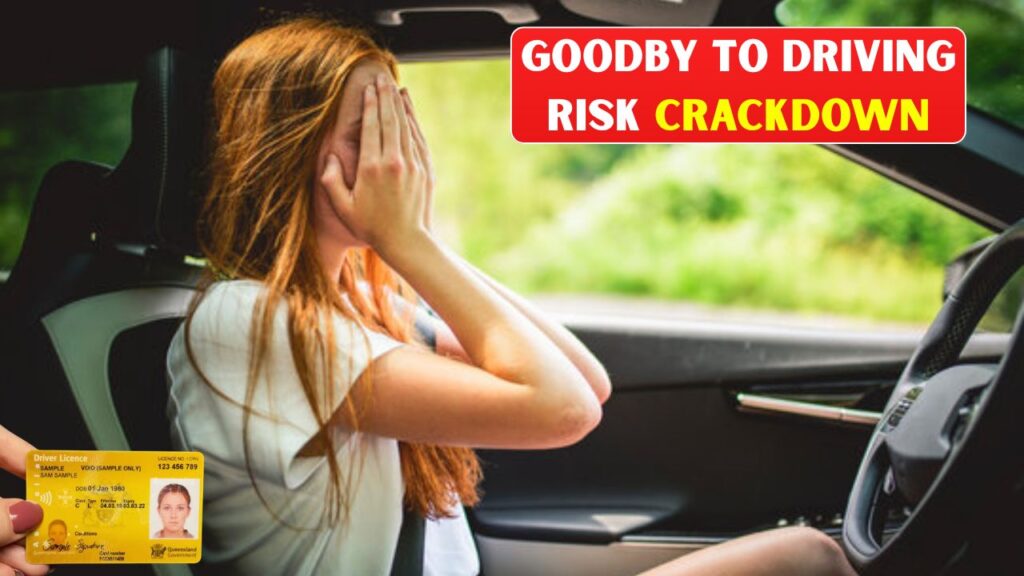
With new driving regulations going into effect on March 13, 2026, Australia is getting ready for a significant change in road safety. Stricter oversight higher fines, and immediate penalties for reckless driving have been announced by the authorities. The modifications are intended to lower collision rates and safeguard pedestrians and drivers nationwide. Since even minor infractions could have serious repercussions, many drivers are now reviewing the updated regulations road safety in Australia is now a top national priority, as evidenced by the new enforcement plan, which includes severe financial penalties and licence suspensions.
An explanation of Australia’s 2026 driving law changes
A more stringent framework centred on accountability and prevention has been implemented by the government. Authorities will primarily rely on automated detection systems, increased traffic monitoring zones, and road safety cameras under the updated system. Penalties may be imposed for even minor infractions like using a cell phone or failing to stop correctly. Stricter enforcement policies and regular checks on city and highway roads are intended to prevent repeat offences, according to officials. Additionally, fewer warnings will be issued to drivers, so prompt compliance is anticipated. The message is clear: public safety now takes precedence over leniency, and driving is seen as a responsibility rather than a recreational activity.
Rules for cancelling a licence and a $2,000 fine
The potential for instantaneous licence loss is one of the most significant updates. Instant licence suspension can result from risky behaviours like reckless overtaking, street racing, or excessive speeding. Depending on the offence, authorities may also impose a hefty fine of up to $2,000. The driver demerit system imposes harsher penalties on repeat offenders, including lengthy bans. With a roadside penalty notice, police officers will have more power to take immediate action. Strict penalties, according to officials, will deter actions that frequently result in serious accidents throughout Australia.

How Australian drivers need to get ready now
It is recommended that drivers become familiar with the new regulations by March 13, 2026. Maintaining safe driving practices will require paying attention to speed limits, avoiding using phones, and obeying traffic signals. Officials advise going over the most recent regulations and participating in optional driver awareness training. In order to provide updated road guidance and reminders about penalties, new signage and notifications will be installed in major cities. Additionally, insurance companies have implied that infractions may have an impact on records and premiums. Drivers can prevent expensive errors and guarantee adherence to Australia’s stricter safety regulations by adopting defensive driving practices.
The implications of these new traffic safety regulations
The modifications are part of a larger national initiative to lower the number of accidents and fatalities. Consistent enforcement and public education, according to officials, will result in fewer accidents and greater awareness. The changes are a part of a long-term national safety initiative that aims to safeguard both pedestrians and families. Early adjustment will help drivers avoid fines and enjoy safer driving conditions. In the end, the policy encourages drivers to view every journey as a shared responsibility rather than a typical commute, reflecting a shift toward a responsible road culture.
FAQs, or frequently asked questions
 Goodbye to Multiple Job Tests: Streamlined Centrelink Income Rules Begin From 11 March 2026
1. When do Australia’s new driving regulations go into effect?
On March 13 2026, the tougher sanctions and enforcement will start.
2. Is it possible for me to lose my licence right away?
Indeed, severe infractions like excessive speeding or careless driving may result in immediate suspension.
3. How much can drivers be fined?
Penalties for some infractions can be as high as $2,000.
4. How can drivers stay out of trouble?
Fines can be avoided by abiding by speed limits, not using phones, and paying attention to traffic signs.